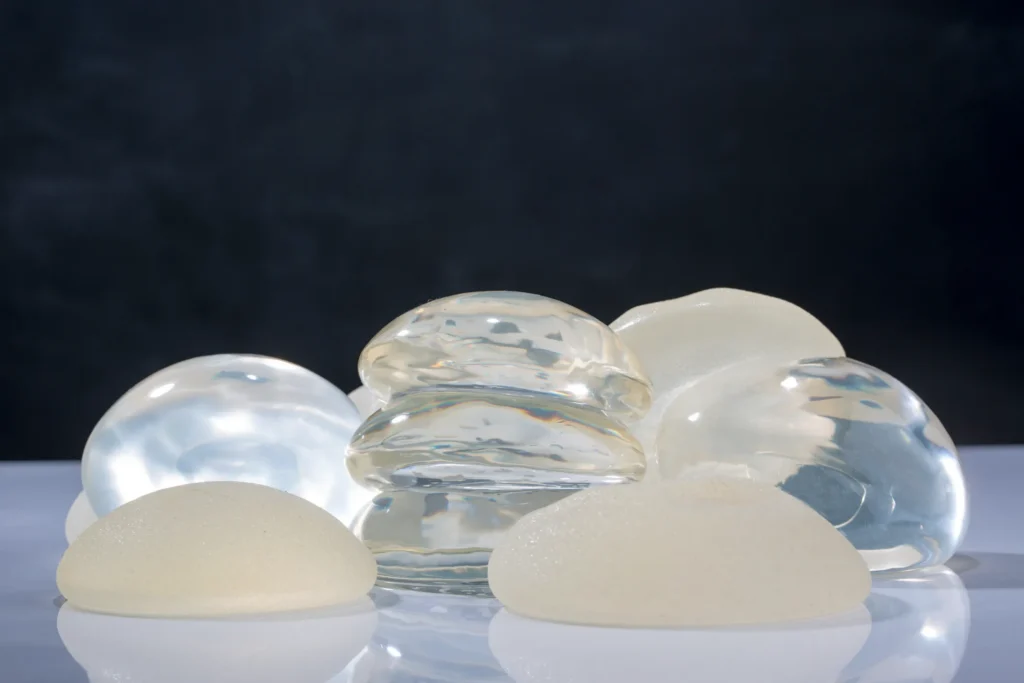
Breast implants are foreign objects that the body responds to and forms a thin capsule around them. This thin capsule protects the implant from inflammation from the body and from being detected again. The shell of the implant is responsible for protecting the substance inside from leaking into the body. The body’s response to the implant helps maintain its position. At North Shore Cosmetic Surgery in the Long Island, NY area, our team, led by board-certified plastic surgeon Dr. James Romanelli, can evaluate your breast implants for potential issues.
What complications can occur after breast implant surgery?
After any plastic surgery, including breast augmentation, there is increased blood circulation to the area operated on for at least three months. After that time, the blood supply should return to normal. Early capsular contracture can occur within three years of breast implant placement, and it is a leading cause of implant rupture. This makes follow-up visits to North Shore Cosmetic Surgery in the Long Island, NY area after your surgery vital to your health.
When does a capsular contracture worsen?
Capsular contracture can be increased in pain intensity or discomfort when:
There is bleeding: This can be due to scar tissue or undrained breast hematomas.
Infection: The risk of infection occurring is higher in the first three months after surgery.
The implant has leaked or ruptured: This leads to inflammation. When a saline implant ruptures or deflates, the saline is re-absorbed, leading to hardness.
If you feel that your breast implant is painful, rippled, hard, or high riding, this is a sign of capsular contracture.
How to prevent capsular contracture
Ultimately, capsular contracture can be hard to predict and impossible to prevent entirely in Long Island, NY. However, we can take some preventative measures during and after your breast surgery to help reduce your chances of it developing. The placement of your implant will directly influence your risk of developing a contracture. Putting your implants under the muscle helps reduce your risk. Also, a clean surgical setting reduces the risk of infection before implant placement. A very large implant increases your risk of developing a contracture, as they cause the skin to stretch.
At North Shore Cosmetic Surgery, Dr. Romanelli and Dr. Layliev provide information on implant exercises that can help keep the pocket around implants open and loose, and reduce the risk of developing contractures. It’s important to perform these exercises as often as suggested to help keep your health its best during the recovery period.
How to resolve painful capsular contracture
If a patient develops a capsular contracture that has hardened the breast implant and is causing pain and discomfort, our surgeon team can perform breast revision surgery by:
Removing the capsule during a capsulectomy
Changing breast implants
Changing the implant pocket
Most early capsular contractures can be prevented or treated before they become severe. However, our professional team can help treat patients with more severe symptoms too.
Aligned transformation begins when you are ready.
You already know what you’re seeking, not to become someone else, but to feel in complete harmony with yourself.
We’re here to listen, to guide, and to create with intention, results that honor your individuality, at your pace and in your own time.
When you’re ready, we’ll be here to begin that conversation.
Learn more about why breast implants harden
At North Shore Cosmetic Surgery in the Long Island, NY area, we schedule follow-up visits with our breast augmentation patients to look for early signs of capsular contractures. It’s essential to follow all post-op instructions closely to ensure the best result. To schedule an appointment to be evaluated by team call our Melville, NY office today.